QSolutions is a mobile app development company with 18+ years of experience building reliable, scalable, and high-performance apps for businesses across industries.
Mobile apps have technical challenges that can affect usability, compatibility, and maintenance. QSolutions addresses these details during mobile app development services to build more dependable mobile products.
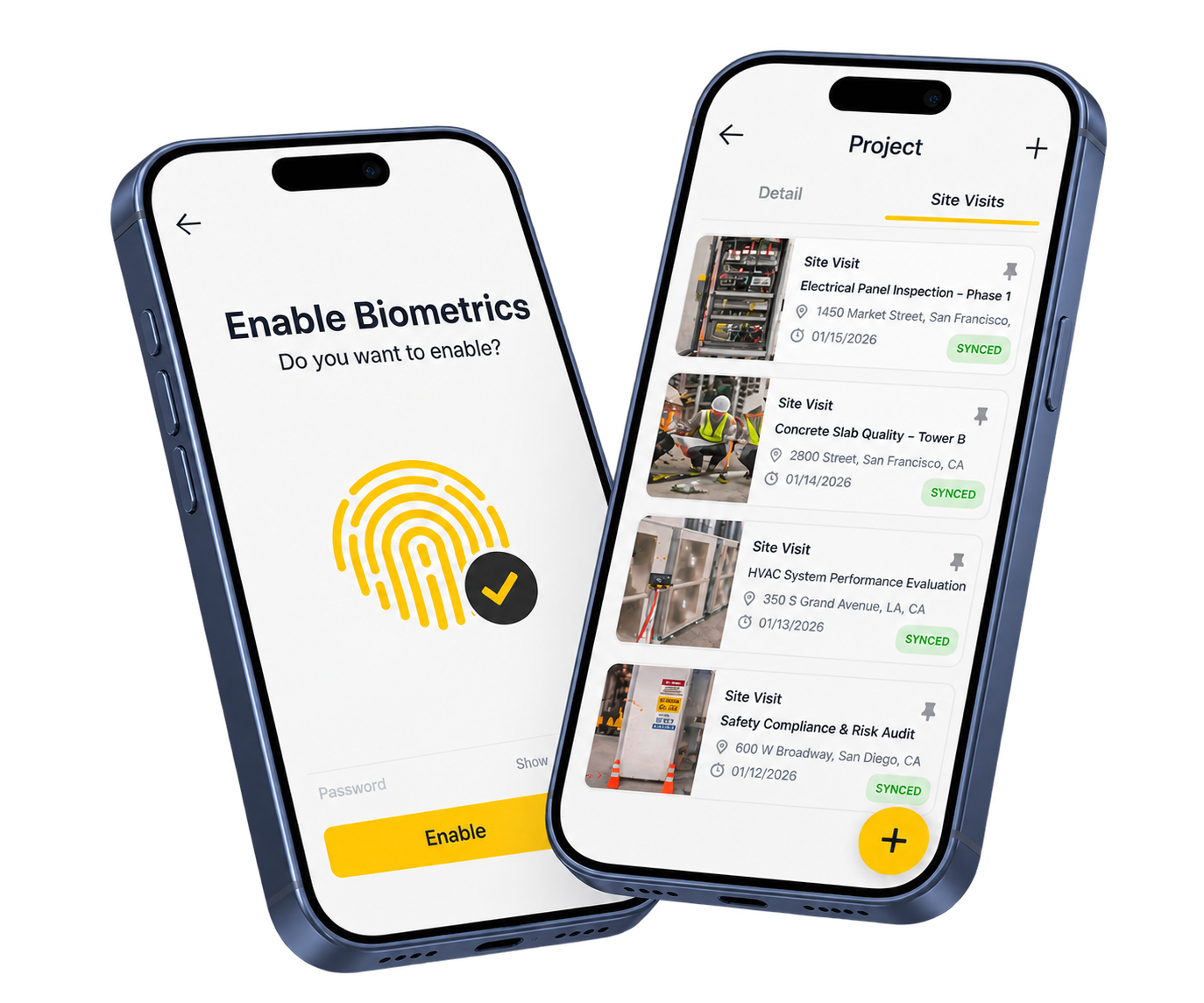
Unreliable connectivity can disrupt critical app features. QSolutions uses local data storage and synchronization to keep essential functionality available offline.
Different devices, screen sizes, hardware, and OS versions can affect app behavior. QSolutions accounts for these variations during development and testing.
Poor architecture can make every new feature harder to implement. QSolutions structures app code into modular components that are easier to update and maintain.
QSolutions delivers custom mobile app development services that cover the product, architecture, backend, and connected systems behind the interface.
Custom applications built around specific workflows, user roles, business logic, and product requirements. Our custom mobile app development services handle the architecture, frontend, backend, and core functionality under one team.
Turn an app concept into a functional MVP with the essential features needed to validate the product with real users. We helped define the core feature set, develop the first release, and establish a technical foundation for future iterations.
Modernize legacy mobile applications without unnecessarily rebuilding the entire product. We can refactor outdated code, replace legacy components, improve architecture, and introduce new functionality where it delivers the most value.
Build the backend services that power mobile applications, including REST and GraphQL APIs, databases, authentication, business logic, and third-party integrations for reliable data exchange between the app and connected systems.
Our custom mobile app development services include features that address customer needs, automate business workflows, and connect mobile applications with the systems behind them.
Integrate purchases, subscriptions, bookings, and recurring payments directly into the mobile experience.
Deliver timely updates, reminders, offers, alerts, and transaction notifications based on user activity.
Implement GPS, maps, and geofencing for navigation, delivery tracking, nearby services, and location-aware experiences.
Enable chat, live updates, status changes, and time-sensitive communication between users and teams.
Support essential app functions without connectivity through local storage and reliable data synchronization.
Connect mobile applications with CRMs, ERPs, payment gateways, cloud services, and external APIs.
Capture user actions, transactions, and engagement events to support product decisions and business analysis.
Connect mobile apps with sensors, wearables, smart devices, and IoT platforms for monitoring and control.
We offer custom mobile app development services across native, cross-platform, hybrid, and web technologies, selecting the right technology based on your product requirements, target platforms, performance needs, and budget.
Our Android mobile app development services use Kotlin and Java to build applications that work across a broad range of Android devices while taking advantage of platform-specific capabilities.
Our iOS mobile app development services use Swift and Objective-C to build high-performance applications with native Apple features, consistent interface behavior, and integration across the iOS ecosystem.
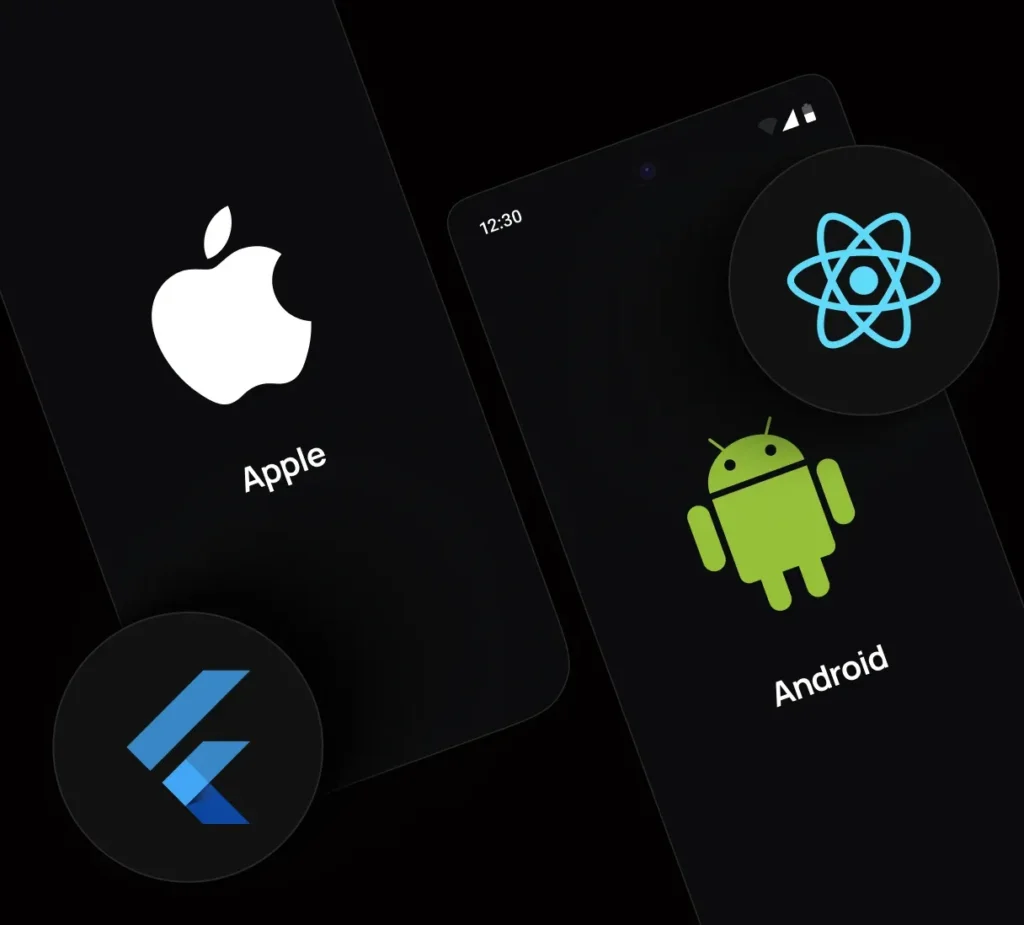
We use Flutter and React Native to develop applications for iOS and Android from a shared codebase, reducing duplicated development work while maintaining access to native device capabilities.
Our hybrid app development services use technologies such as Ionic and Cordova to combine web technologies with native device capabilities, making them suitable for applications that prioritize broad platform coverage and efficient development.
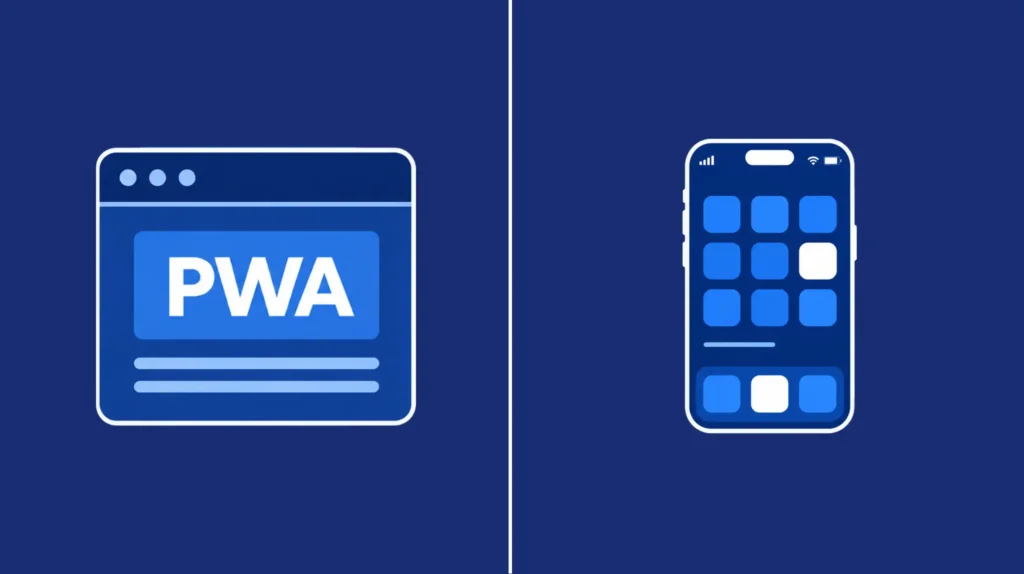
Our mobile app developers develop progressive web apps that combine web accessibility with app-like capabilities, including responsive interfaces, installability, offline functionality, and support for modern browser features.
Clients choose QSolutions as a mobile app development company for its technical expertise, reliable delivery, and ability to turn complex product requirements into well-engineered mobile applications.
Cubix took the time to truly understand our needs and built custom solutions around our workflows. For over 5 years, they have listened, understood, and delivered every time.
I highly recommend Cubix to anyone who has any crazy ideas about app creation. Again, thank you so much, Cubix, for helping support the development of PreOpApp™ Kids.
Explore selected projects that demonstrate how our custom mobile app development company tackles different product requirements, technical challenges, industries, and user experiences.
A disconnect was streamlined through a centralized platform that connected 500+ field teams.
Fragmented pediatric care was simplified with a centralized mobile platform for guardians.
Fragmented networking made it difficult for wedding creatives to find growth opportunities. A centralized ecosystem for personalized connections.
We use Agile practices to structure mobile app development into iterative cycles, with requirements, design, development, testing, and releases continuously refined through feedback and validation.
We define functional requirements, user flows, technical constraints, integrations, and product priorities, then organize them into a prioritized backlog for Agile development.
Our engineers develop prioritized features in Agile sprints, using modular architecture, version control, code reviews, and continuous integration throughout implementation.
We perform functional, integration, performance, security, and compatibility testing across supported devices and OS versions, tracking and resolving defects throughout each cycle.
We prepare production builds, configure release environments, and manage App Store and Google Play submissions. Post-release monitoring and feedback inform subsequent development cycles.
As a custom mobile app development company, we build industry-specific applications around real business requirements, combining domain knowledge with the technical capabilities each sector demands.
Build engaging learning experiences with LMS platforms, tutoring apps, progress tracking, and personalized content that improve learner outcomes.
Our custom mobile app development services use proven programming languages, frameworks, SDKs, cloud platforms, databases, and development tools selected around each product’s requirements.
At QSolutions, launch is the beginning of ongoing product management. Our post-launch mobile app development services cover maintenance, optimization, user engagement, iteration, security, and performance monitoring to keep your app reliable as requirements evolve.
We resolve post-release issues, apply updates, and maintain core functionality to keep your application stable across supported devices and operating system versions.
As a mobile app development company, QSolutions delivers AI development services to create smarter user experiences, automate in-app tasks, and personalize how users interact with your product.
Add speech recognition, natural language understanding, and text-to-speech capabilities to support voice commands, conversational interactions, accessibility, and hands-free app usage.
Security and compliance are considered throughout mobile app development, from architecture and data handling to testing and release. Cubix applies appropriate security practices, industry requirements, and platform guidelines based on your app’s functionality, data, and regulatory needs.
Businesses choose Cubix as their mobile app development company for experienced product teams, technical expertise, transparent delivery, and full-cycle support across the mobile app development lifecycle.
Our 300+ designers, developers, and strategists bring specialized expertise across mobile engineering, UI/UX, backend development, AI, and emerging technologies.
Our app development process keeps priorities visible, enables regular feedback, and allows teams to refine features throughout without losing sight of quality and timelines.
How much does it cost to develop a mobile app? The cost depends on your app’s functionality, design, technology, target platforms, integrations, and development requirements. Cubix provides clear cost estimates based on the scope and complexity of each project.
Feature complexity directly affects development time, testing, and overall cost.
The technologies, infrastructure, and development approach can influence implementation and maintenance costs.
Custom user flows, animations, and interactive elements can increase design and development effort.
APIs, payment gateways, CRMs, maps, and other integrations add development and testing requirements.
Building for iOS, Android, or both affects development, testing, and maintenance requirements.
specialists influences project costs.
A free guide breaking down real 2026 app development pricing by platform, by feature, and by build partner so you can budget with numbers, not guesswork.

Digital Manager at Oman Oil Marketing Company
The engagement met the expectations of the internal team. QSolutions successfully worked within the robust scope, often going above and beyond to ensure client satisfaction. The team provides clients with a high level of support while still working quickly and creatively.

Founder/CEO at Pauseitive LLC
Qsolutions press release on Pauseitive summed up my experience, fantastic! So on point with my goal directives! I’m so impressed! Honestly, it’s been a pleasure working with the entire team through this development process. Thank you for your dedication, motivation, and, most importantly, your genuine efficacy in bringing this innovative and creative digital tool to the market.
Swift and Objective-C are the primary programming languages for iOS app development, with Swift being the modern choice for most new applications and Objective-C remaining relevant for legacy codebases.
Hybrid vs native app development comes down to how applications are built and how they access device capabilities. Hybrid apps use web technologies within a native wrapper, while native apps are built specifically for their target operating system.